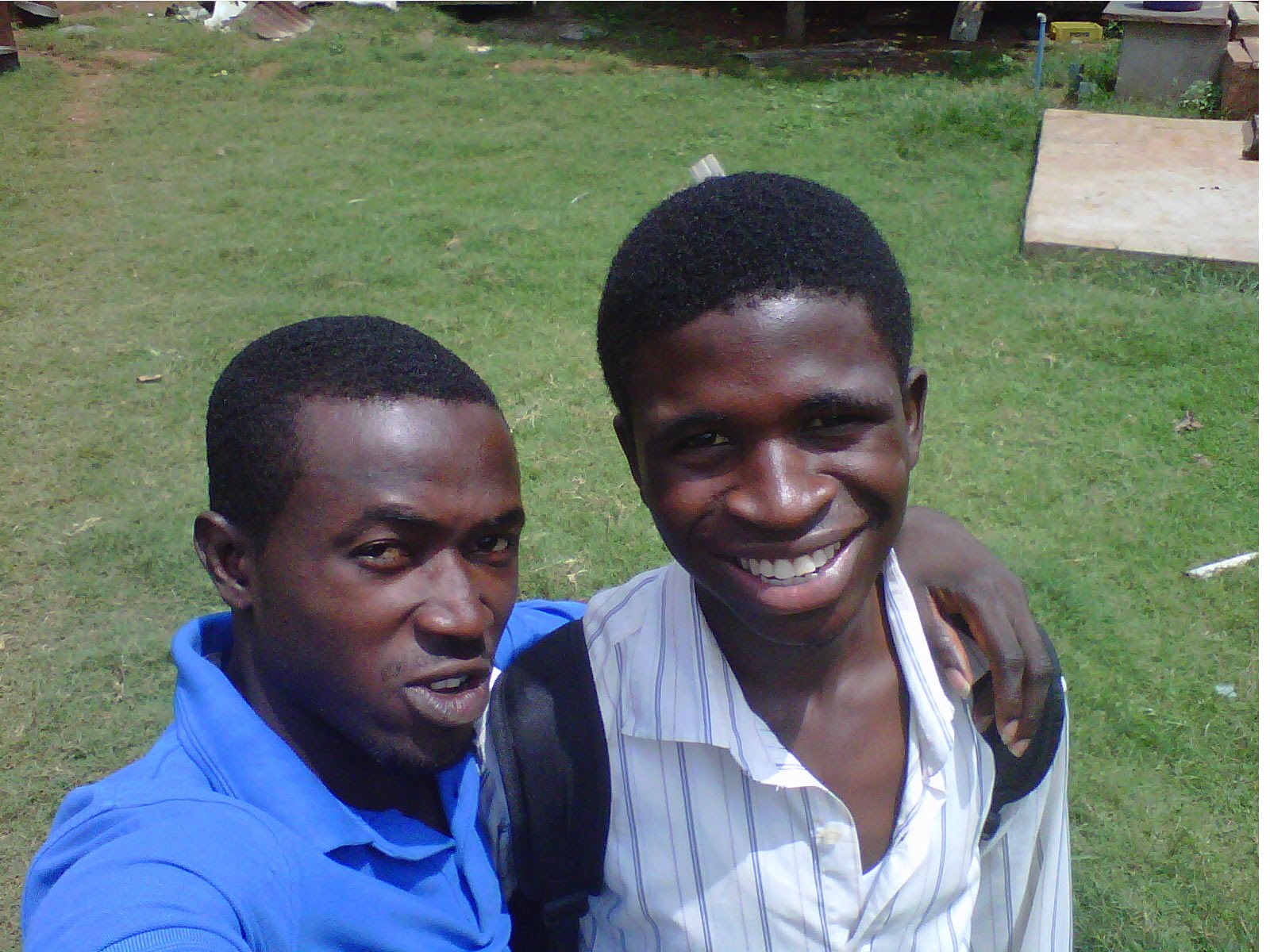
In 2010, a friend walked into my room at the university with an idea.
He said, “I found this thing online, called website flipping.”
At the time, I had no idea what that meant.
Website flipping involved building websites and selling them for profit. He had been reading about it online and believed there was something there. He wanted a partner, a place he could work without disturbance, and somewhere he would not be labelled “a yahoo boy” – someone who scams people online for money.
That conversation changed everything.
We started figuring things out together.
During our undergraduate days, we built websites and listed them for sale on Flippa. Looking back, we barely knew what we were doing. We were experimenting, learning as we went, trying to understand how websites became valuable and why someone somewhere on the internet would pay for one.
We were not very successful in that venture. At least not immediately.
Before we could properly see things through, we ran out of money for basics like fuel and internet access. Reality interrupted ambition, as it often does when you are a student trying to build something with almost nothing.
But one thing stuck with me.
One of those websites had already been valued at over $1,000, and another was valued at over $200.
For two university students with limited money and no roadmap, that felt significant.
Not because we had suddenly become successful. But because it suggested a possibility.
Maybe this internet thing actually worked.
Maybe there was another path.
Then Yinka came back with another idea.
“You can sell cars online,” he told me. “Just take pictures of cars people are selling and list them.”
So I did.
That became my first real online business.
And guess who gave me the start-up tools? Yinka of course.
He gave me his dad’s camera and got me a used BlackBerry smartphone.
I started taking pictures of cars, listing them online, connecting buyers and sellers, and earning money from it. It made me good money through university and beyond.
Looking back, I realise how important that period was.
Not just financially.
Mentally.
Until then, work looked linear: graduate, find a job, build a career.
But suddenly there was another possibility.
You could create value online.
You could build something for yourself and for others.
You could make money without following the exact script everyone expected.
Yinka also pushed me to learn web design properly, and also supported with getting my second laptop.
While he went on to build his own professional career in tech, obviously, I was selling cars and quietly learning to build websites on the side.
That was the beginning.
One skill led to another.
One website became another.
One experiment became experience.
And eventually, what started as curiosity became a career.
The obvious things Yinka gave me are easy to point to: ideas, encouragement, resources, and perspective.
But what he really gave me was permission.
Permission to pursue something unconventional.
Permission to believe that opportunities could exist outside the traditional path.
Permission to look at the internet and see possibilities instead of distractions.
That perspective mattered more than I understood at the time.
The pattern I have noticed since then is simple.
Almost everyone who builds something meaningful can point to a specific person who changed the way they saw what was possible.
Not a book.
Not a course.
A person.
Someone who said – directly or indirectly – “This thing you are thinking about? It can actually be done.”
That is why I think we underestimate the people around us.
The friend who introduces an idea.
The person who believes in something before you do.
The one who casually changes your thinking without even realising the consequences.
Sometimes those people alter your trajectory more than formal mentors ever will.
And sometimes, years later, you finally realise what they actually gave you.
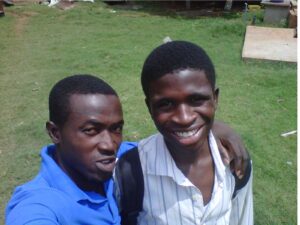
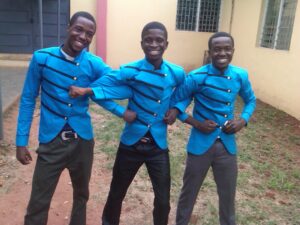
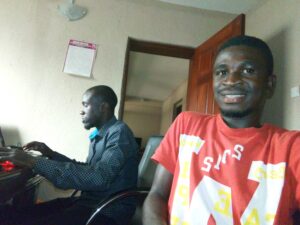
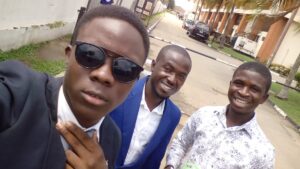
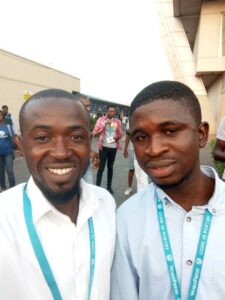
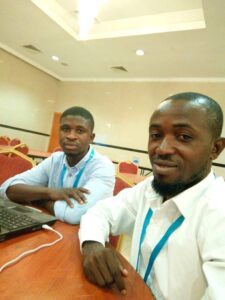
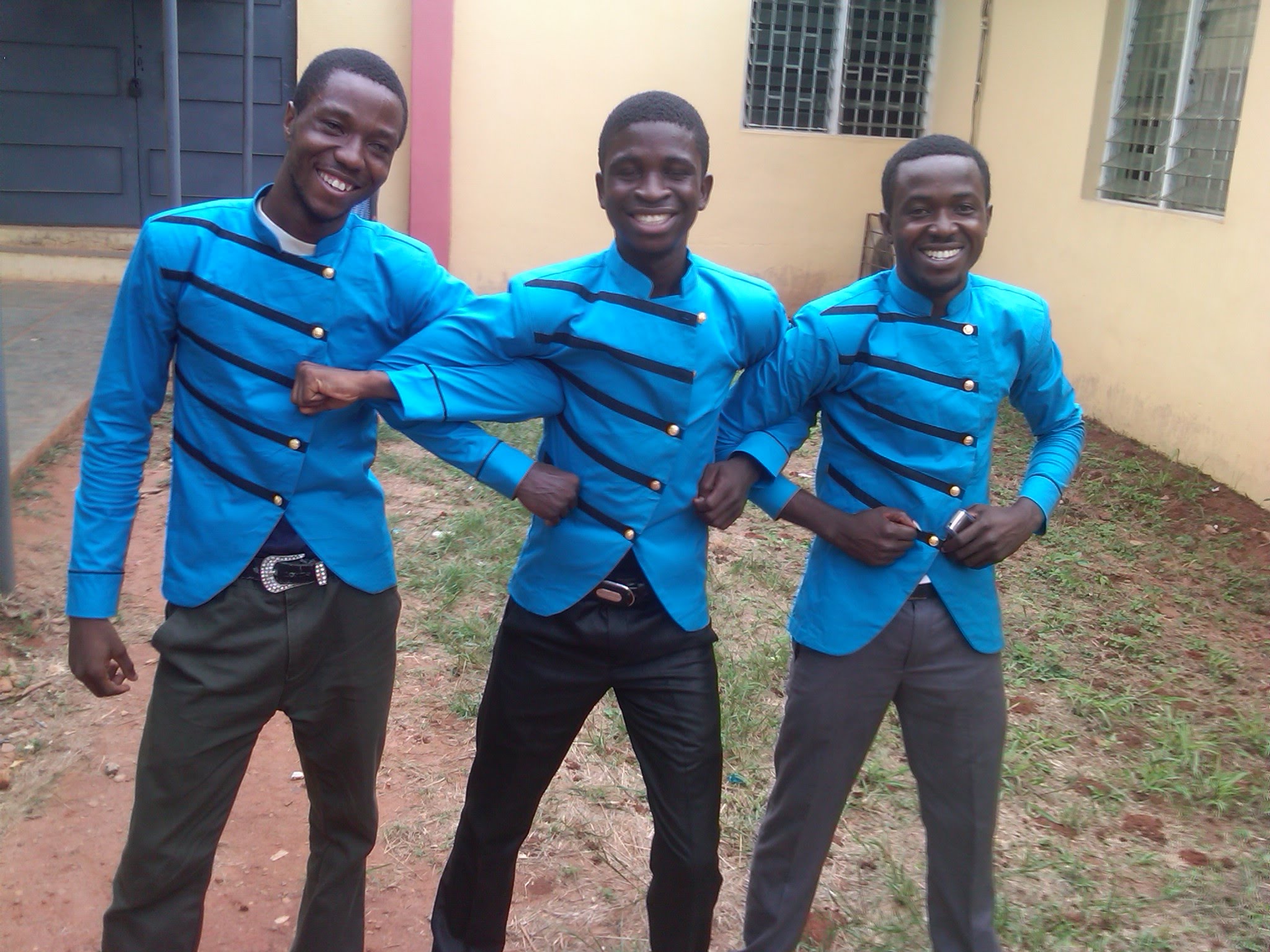
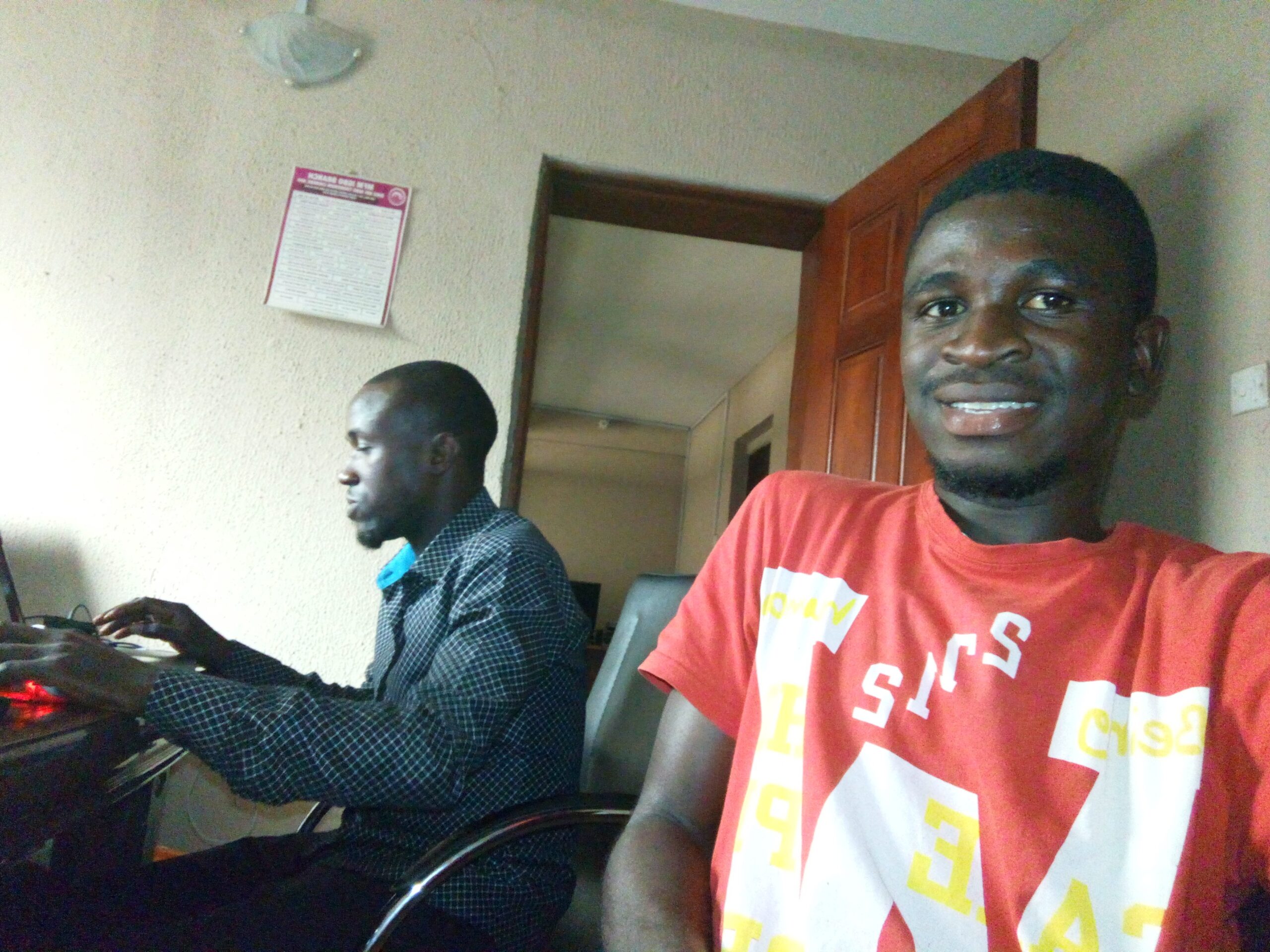
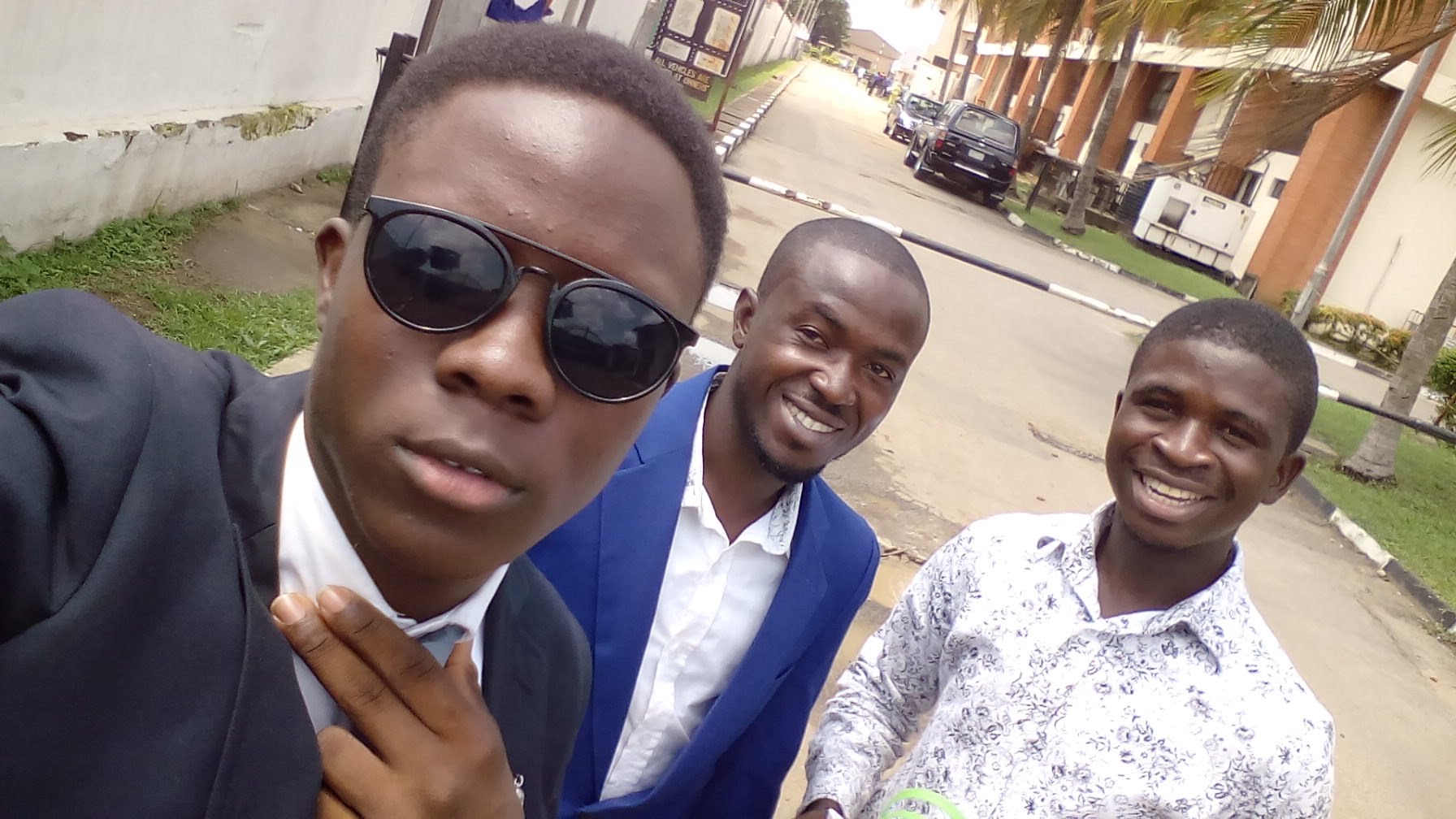
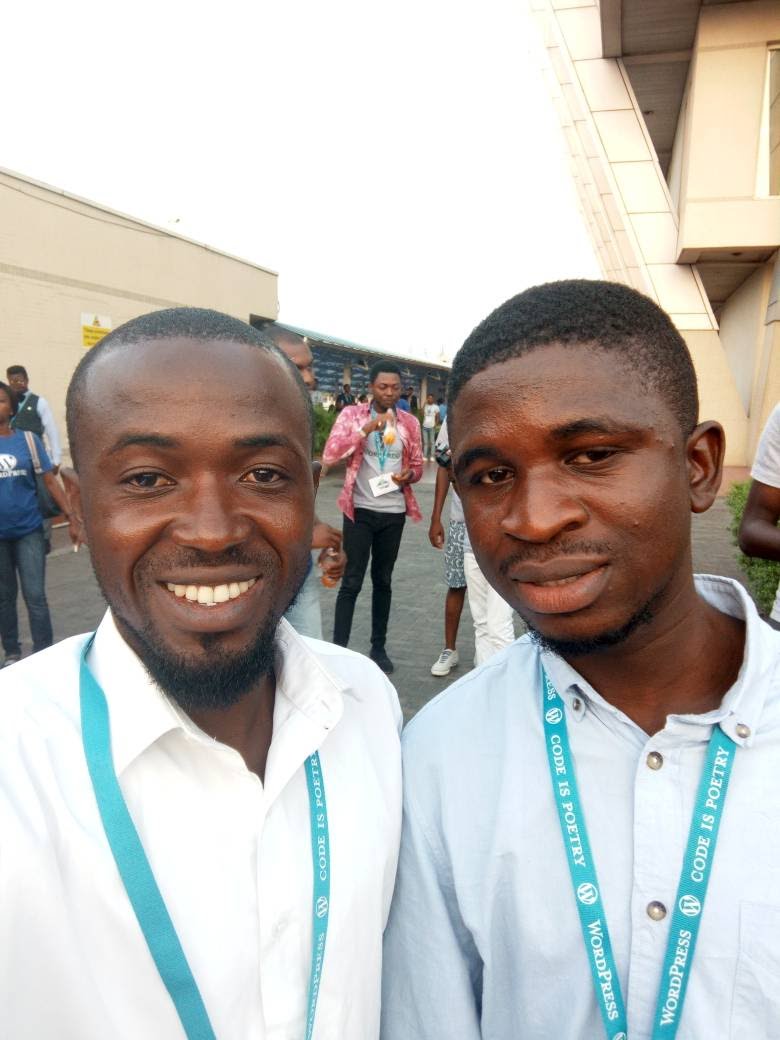
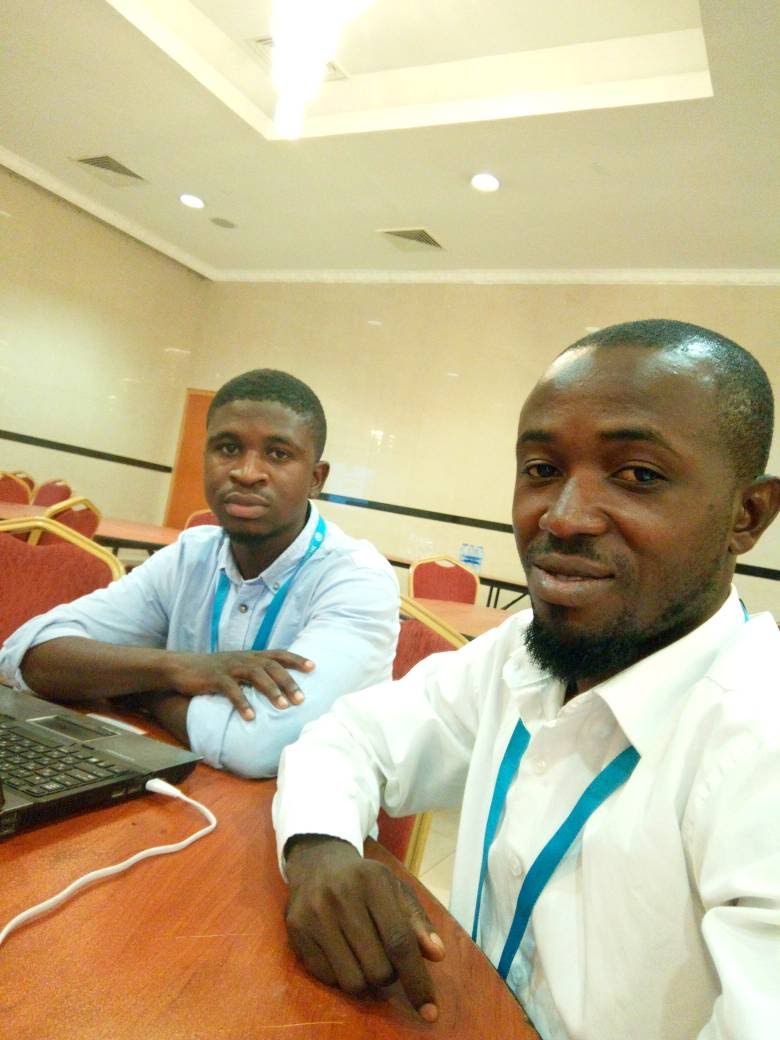
Yinka and I still work together today.
A friendship that started in a university room survived changing seasons, career shifts, and adulthood.
Some partnerships are simply built differently.
So this post is really just appreciation.
Thanks, Yinka.
For the ideas.
For the belief.
For changing the trajectory, even if neither of us fully knew it at the time.
Is there someone who changed the trajectory of your life or business? Tell me using the contact page.